

Unlike other MMOs, World of Warcraft‘s faction system remains an integral component in player interest. After all, both the Alliance and the Horde have vastly different ideologies regarding the welfare of Azeroth as a whole. In turn, both factions frequently clash throughout the Warcraft MMO’s various expansions. Essentially, members of the Alliance find themselves rooted in ideologies of sacrifice, justice, faith, honor, and nobility. As such, fans of Blizzard‘s hit IP consider the Alliance as a pinnacle of order in the realm.
However, as with all historical factions, the Grand Alliance has more than meets the eye. It seems its historical relevance in Azeroth’s politics won’t always have historians look at the Alliance’s lion crest and think of their faction as representing pure order. Moreover, the diversity of races and political sub-factions in the Alliance make it an interesting side to look at its own. Just what significance does the Alliance hold over Azeroth’s fate?
10 Rooted In The Grand Alliance
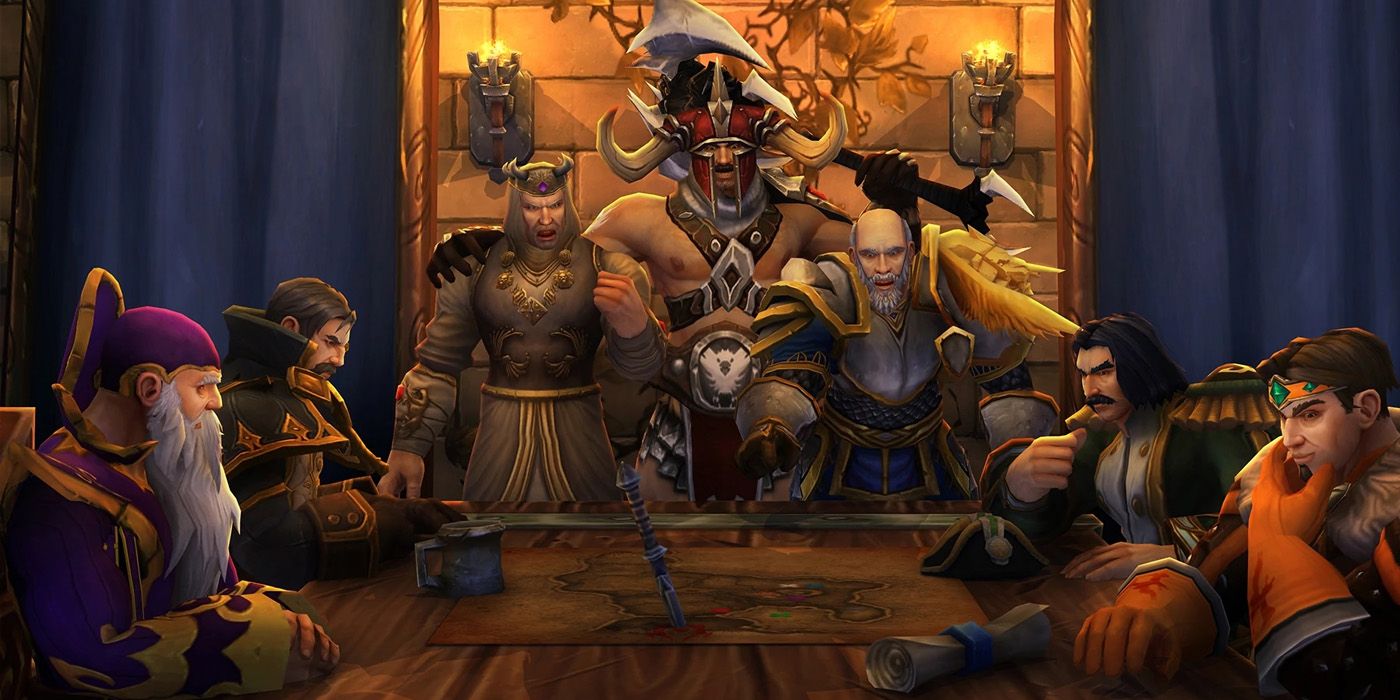
Like the Horde, the Alliance finds its roots within the Grand Alliance, the coalition that fought the Orcish Horde’s “invasion” of Azeroth. Back then, Regent Lord Anduin Lothar convinced other human kingdoms to unite after his own Kingdom of Stormwind fell at the hands of the Orcs. Other races eventually joined the Alliance, such as the Dwarves, the Gnomes, and even the High Elves.
Throughout the rest of the RTS games, the Orcs will once again invade and this time make a home to some parts of Azeroth. Once again, the Grand Alliance, this time led by King Terenas Menethil II, tried to intervene. This continues when the Grand Alliance eventually becomes the Alliance in World of Warcraft, this time led by Varian Wrynn and eventually Anduin Wrynn.
9 More Coalition, Less United Government

Despite upholding ideals of law and order, the Alliance doesn’t have “formal” leadership. Instead, its members have a vested interest in the kind of economic and military support their alliance has. In turn, diplomacy remains a key component in the unity of their factions, and each race still has authority over what goes on in their respective lands.
As such, unified actions almost always happen in times of crises, such as wars, where each member state would have to give resources and military aid for the Alliance’s benefit. These take the form of Hero’s Call Boards, as well as memberships within the unified Alliance High Command (for the army), and the Alliance Naval Command.
8 Unity In Different Interests

When the Orc Horde posed a threat to invade Azeroth during the First War, the Grand Alliance formed as a force to stop them. This loose coalition became more of a trend for the Alliance as a whole. After all, much of its membership stems from mutual convenience empowered by diplomacy.
For instance, the High Elves of Quel’Thalas tried to join the Alliance three times but failed due to poor renegotiations. Meanwhile, the Night Elves opted to join the Alliance after experiencing animosity from Orcs. Likewise, the Draenei refugees from Draenor joined the Alliance thanks in part to their affinity with the Holy Light.
7 The Human Glue

People recognize the Alliance for their stance towards courage, nobility, and pride. Despite their rather “rigid” ways, it’s always their sense of tradition and honor that made them a consistent force of “good” in Azeroth. Essentially, stereotypes make the Alliance similar to Warcraft‘s (and in turn, other strategy games with a thematic side of “order”) version of the Justice League.
Interestingly, Humans have a special place in the Alliance. Despite the diplomatic inclinations of its other members, it’s Humans that always rallied the Alliance together. In turn, Stormwind’s symbol – the lion – also became the official symbol of the Alliance.
6 Strength In Technology

Unlike the Horde, the Dwarves and Gnomes of the Alliance worked hand-in-hand in creating some of the most sophisticated pieces of technology among members of the Alliance. It’s thanks to the Ironforge Dwarves that the Alliance enjoys master-crafted plate armor and steel weaponry. Likewise, their specialization with gunfire and steam-based equipment made them far more superior compared to the Horde’s Mulgore Tauren.
Meanwhile, the Gnomes and their specialization as tinkerers allow them to create a wide array of useful devices for those who need them. As a result, Gnomes pride in their suits of mechanical armor, catipults, and other steam-powered machinery. In turn, only respected Mages from Kirin Tor and other secluded orders get to practice magic and study their enemies’ horrible creatures and machinations.
5 Divine Over Arcane Magic

Interestingly, members of the Alliance have a unique take on magic in the world of Azeroth – but they acknowledge that, as a tool, it can be used for both great good and great evil. Moreover, since Arcane Magic draws from the power of the Well of Eternity, it’s also easily corruptible by outside sources – sparking fear that Azeroth’s wisest and most powerful Mages may be susceptible to corruption as well.
However, it seems the Alliance has a more positive outlook with regards to Divine Magic, given its relationship with nature and the gods. In turn, while the Alliance has the mostly-neutral Kirin Tor order, it also has quite a lot of Clerics and Paladins at their disposal.
4 Not All Alliances Last
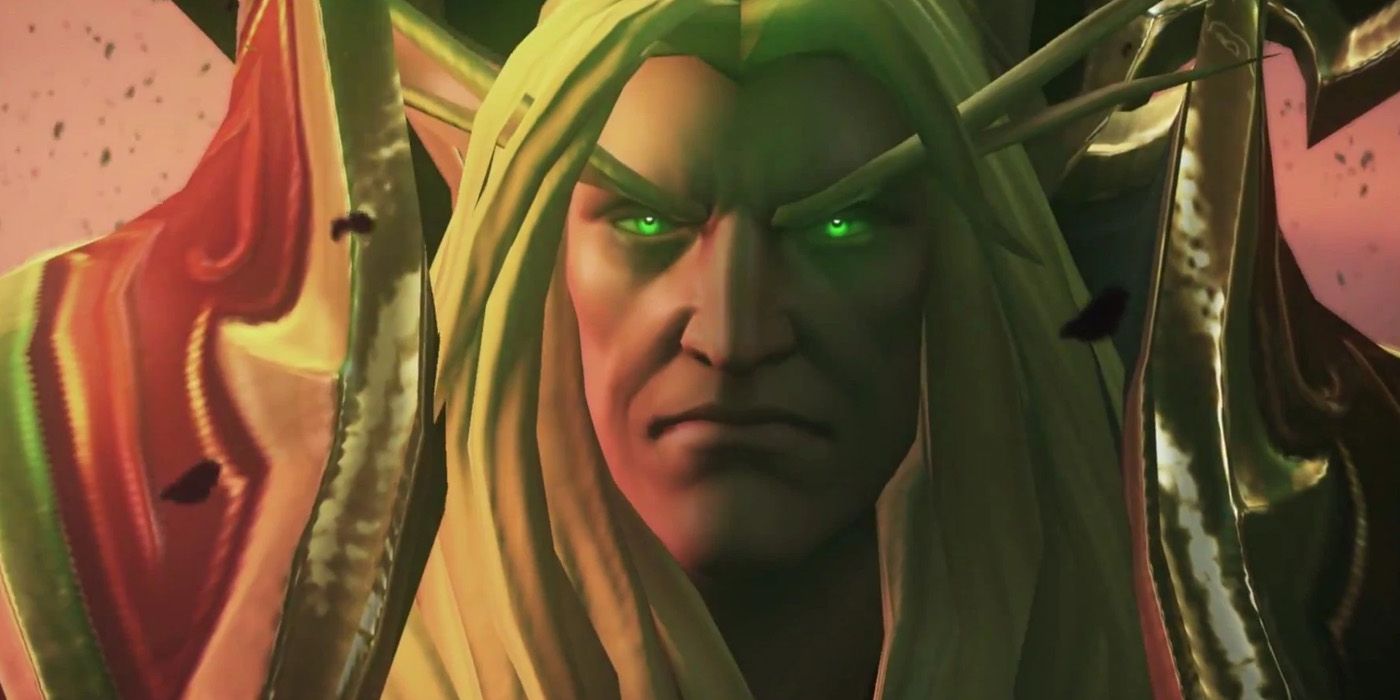
Despite the tight relationships inside the Alliance, not all of its members get to stay. In fact, quite a number of factions have joined and left the Alliance due to different circumstances. For instance, the Kingdom of Alterac was removed from the Alliance after it’s revealed that they’ve been helping the Horde since the Second War. Likewise, the City-state of Theramore got removed from the Alliance after its destruction.
Perhaps most notable of these former members would be the Kingdom of Quel’Thalas. The High Elves were the last to join the Alliance, only to leave it after the Scourge invaded their city. The surviving High Elves named themselves Blood Elves and joined the reformed Horde.
3 Natural Alliance, Ancient Ties

Thanks to World of Warcraft, lore fans have a means of learning more about Azeroth outside the main games. Interestingly, the Grand Alliance’s evolution into the Alliance may not be by chance. In fact, the natural connection between modern races seems to be rooted within their nature as titan-forged beings.
For instance, Humans descended from the magically-inclined Vrykul. Meanwhile, the forge-inclined Dwarves descended from the stony-like Earthen. Additionally, the tech-savvy Gnomes descended from the robotic Mechagnomes. Lastly, the enigmatic Dark Trolls descended into the first Night Elves. Due to these proto-races’ proximity to the Well of Eternity, they eventually evolved into the species known today.
2 Intervention When Necessary

Interestingly, despite staying clear from Horde matters, the Alliance has intervened a couple of times with regards to the Horde’s internal affairs, especially when they are directly concerned. A notable example of this is in Mists of Pandaria, where Varian Wrynn served as a mediator between the rising tensions of the Horde and the Alliance as they reluctantly united against the Iron Horde.
Moreover, the Horde and the Alliance would enter a temporary truce. Essentially, this happened after the faction helped Varok Saurfang’s faction take down Sylvanas Windrunner, who risked the lives of Horde members for her own gain.
1 Fractured Relationship With The Horde
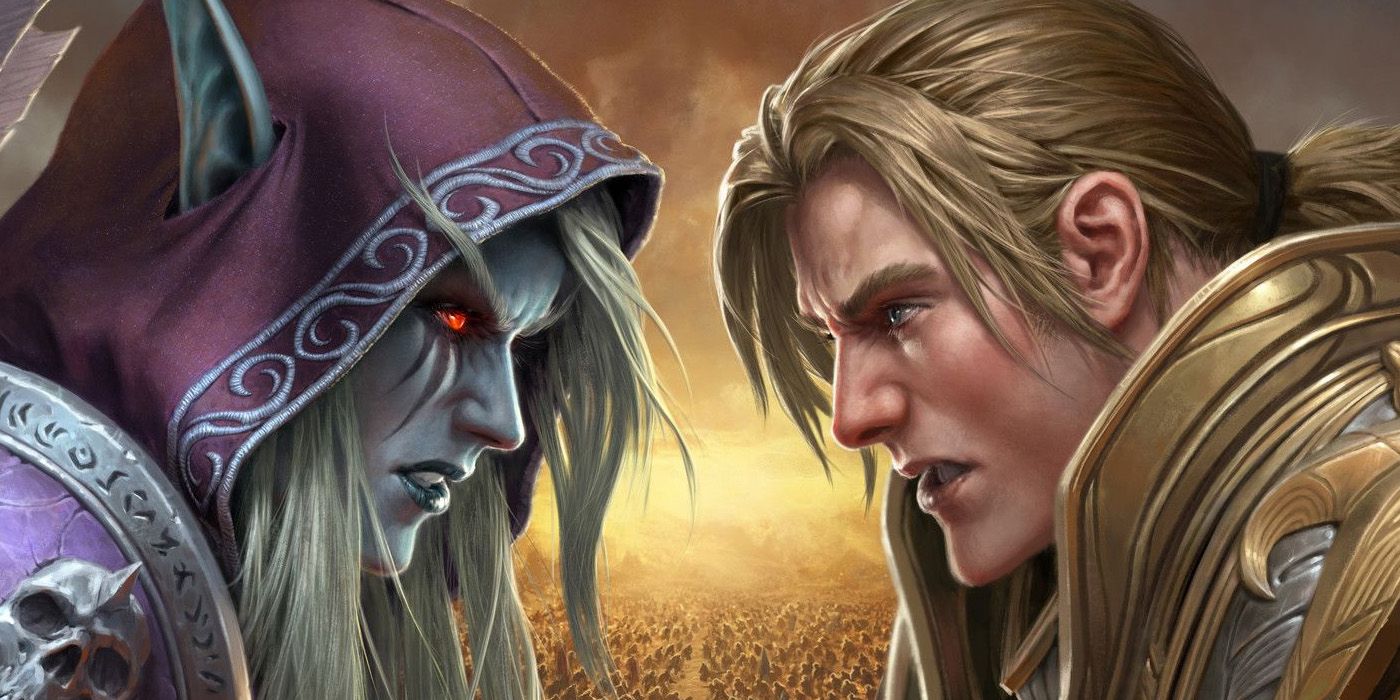
As noticeable in World of Warcraft, both the Alliance and the Horde frequently get in conflict as they remained the two most powerful political factions in Azeroth. While Alliance held much of the Eastern Kingdoms, the Horde organized their own power base in the western Kalimdor. Unfortunately, skirmishes and tensions between their own leaders make it difficult for the two factions to reconcile their differences.
However, the two sides do unite when the entirety of Azeroth became at stake. Both forces united against the Lich King and his Frostmourne, against Deathwing, and even ended the Burning Legion’s Burning Crusade.

www.itsec.hk
www.itsec.vip
www.itseceu.uk
Leave a Reply